Work Services About Contact

Amsterdam

Carlos Serna

AI Product Architect

AI-native engineering with 25 years of distributed-systems discipline. The hard part of AI isn't the demo. It's making it reliable in production, and handing it to a team that can keep it running. That's the work I do: the architecture, the working code, and the knowledge transfer to own it after I leave. Project-based.

Three ways in, depending on where you are.


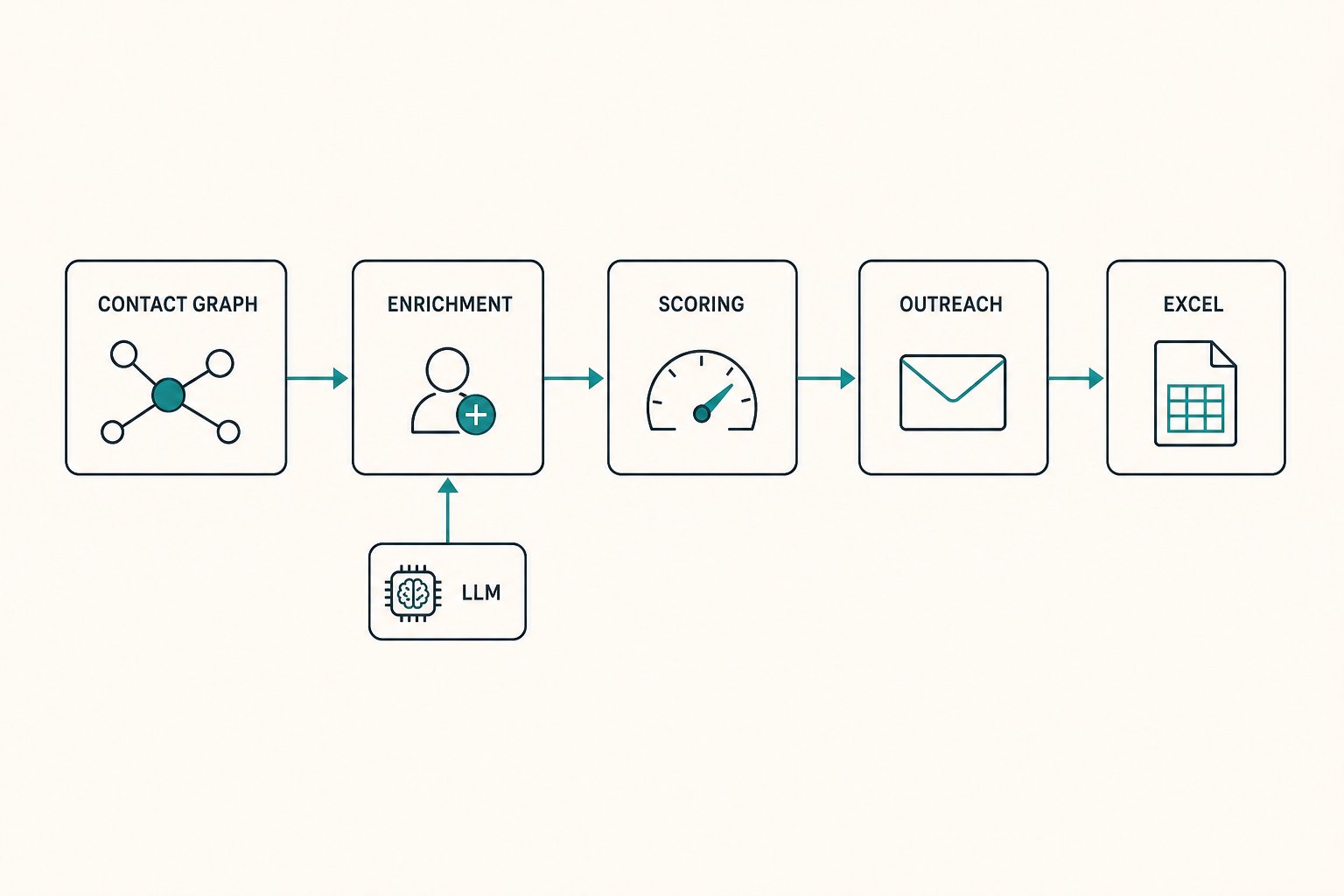
Architecture diagram: contact graph to enrichment to scoring to outreach to Excel, with an LLM feeding enrichment
01Enterprise

Executive Network Intelligence

A Group CFO with nearly two thousand professional relationships and no way to track who mattered or when to reconnect. I built a system that scores every contact, drafts the outreach, and runs inside the Excel he already worked in.

View →
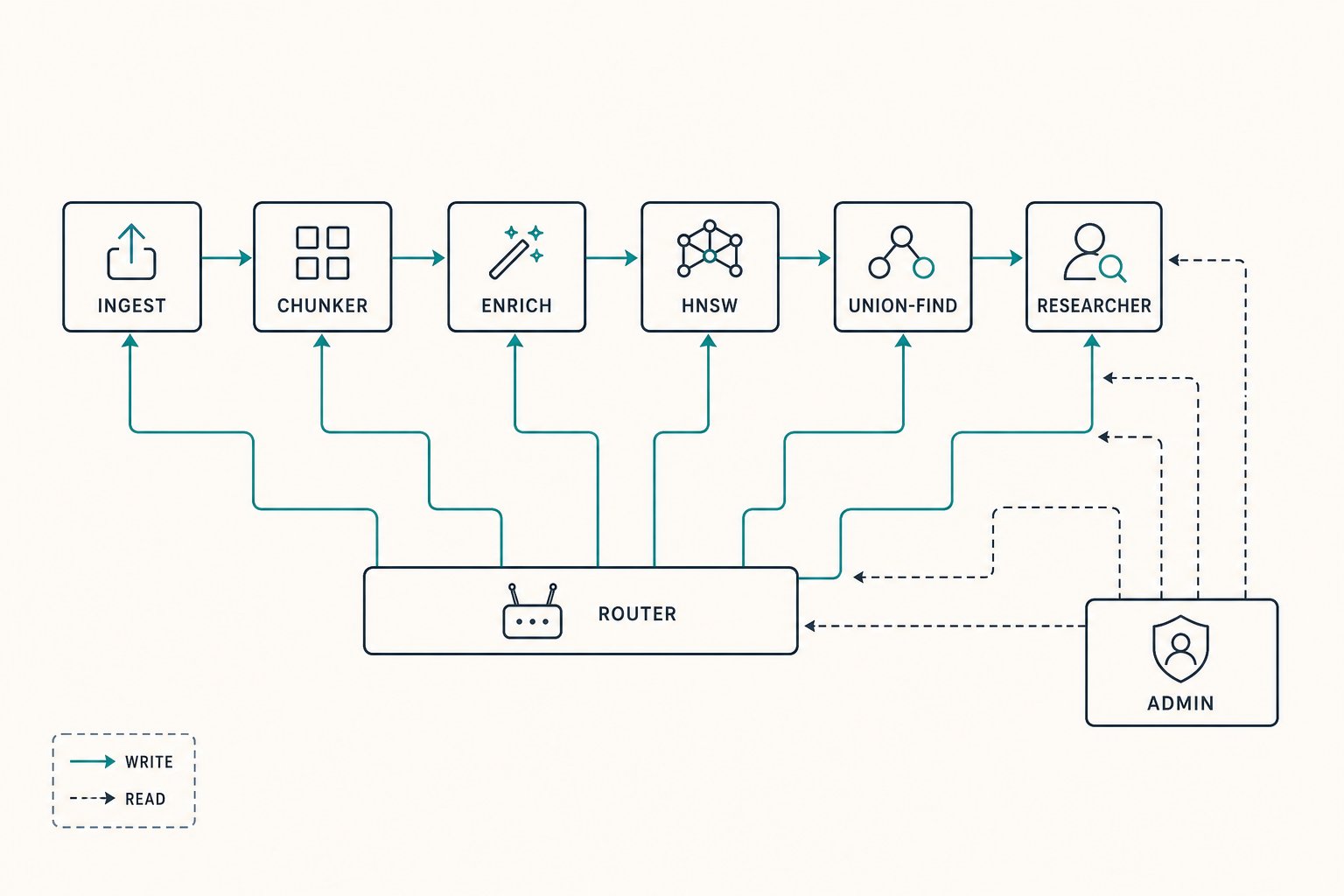
Architecture diagram: ingest, chunker, enrich, vector index, and an agentic researcher, with a model router rail
02Platform

Document Intelligence Platform

Years of internal documents nobody can search properly: contracts, reports, knowledge locked in PDFs. A configurable platform that turns any document corpus into a knowledge layer you can question in plain language, with every answer traced back to its source.

View →
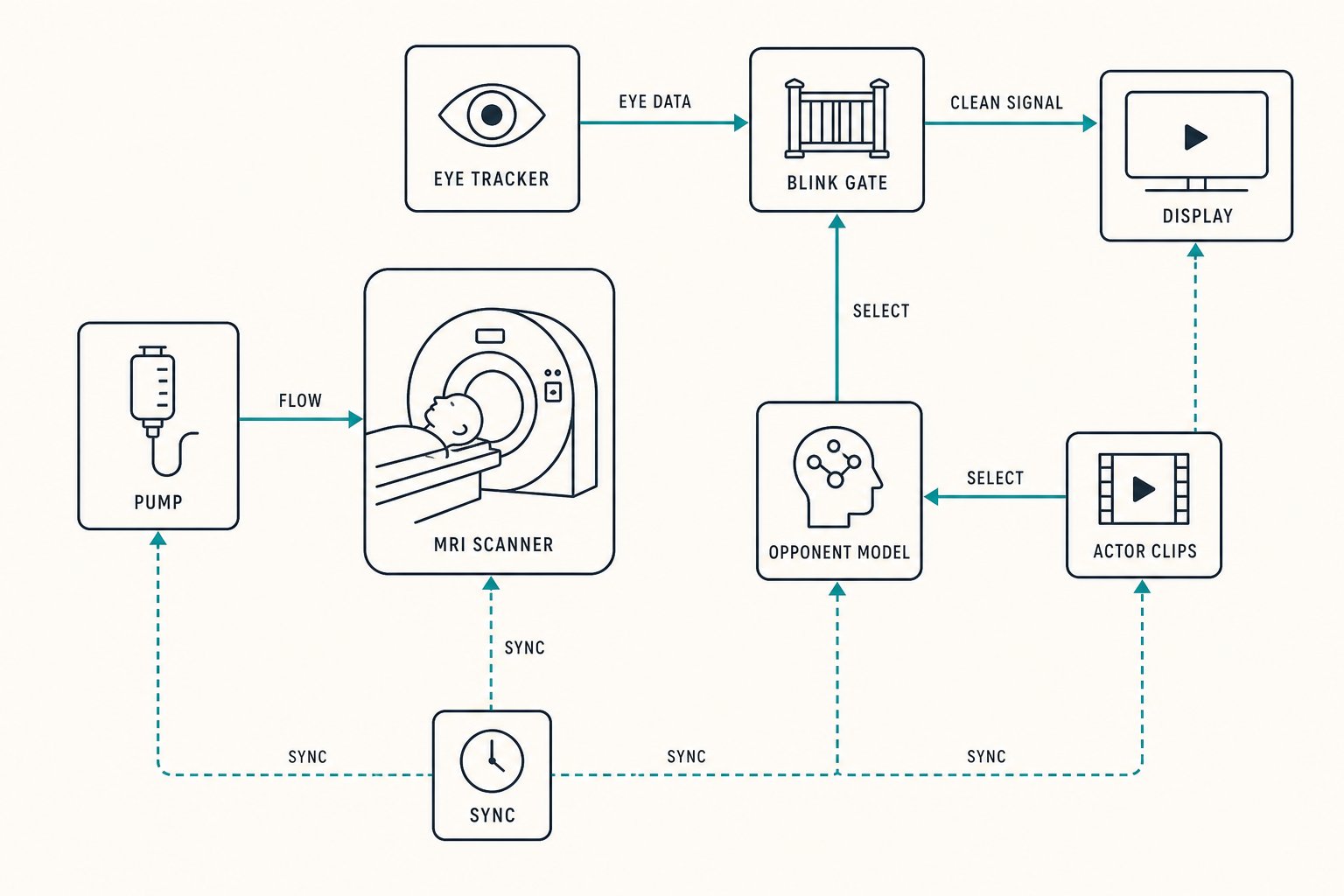
Architecture diagram: pump and MRI scanner, eye-tracker, blink gate, display, and an opponent model selecting actor clips
03Research

NIN Social Brain Lab

The lead researcher describes the experiment. I build the software that runs it correctly inside a scanner. Two builds, one engagement: fMRI experiment software precise enough for published research, and a website the lab maintains itself.

View →
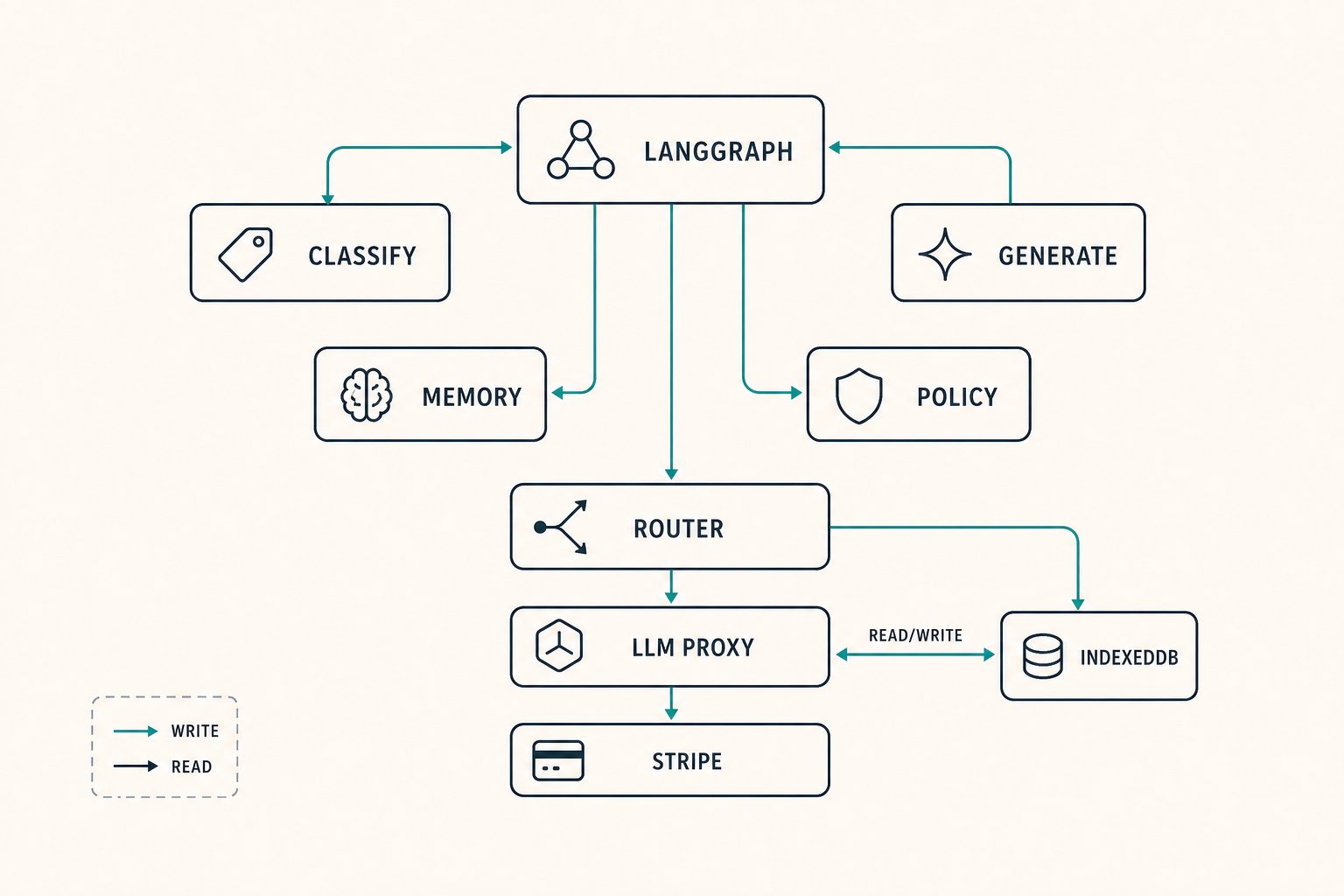
Architecture diagram: a LangGraph orchestrator radiating to classify, generate, memory, and policy, with a router to an LLM proxy and Stripe
04Platform

Multi-Agent AI Platform

A consumer AI product that had to run dozens of AI tasks reliably, bill each user by actual usage, and keep personal data off the server entirely. A multi-agent platform doing all three at once.

View →
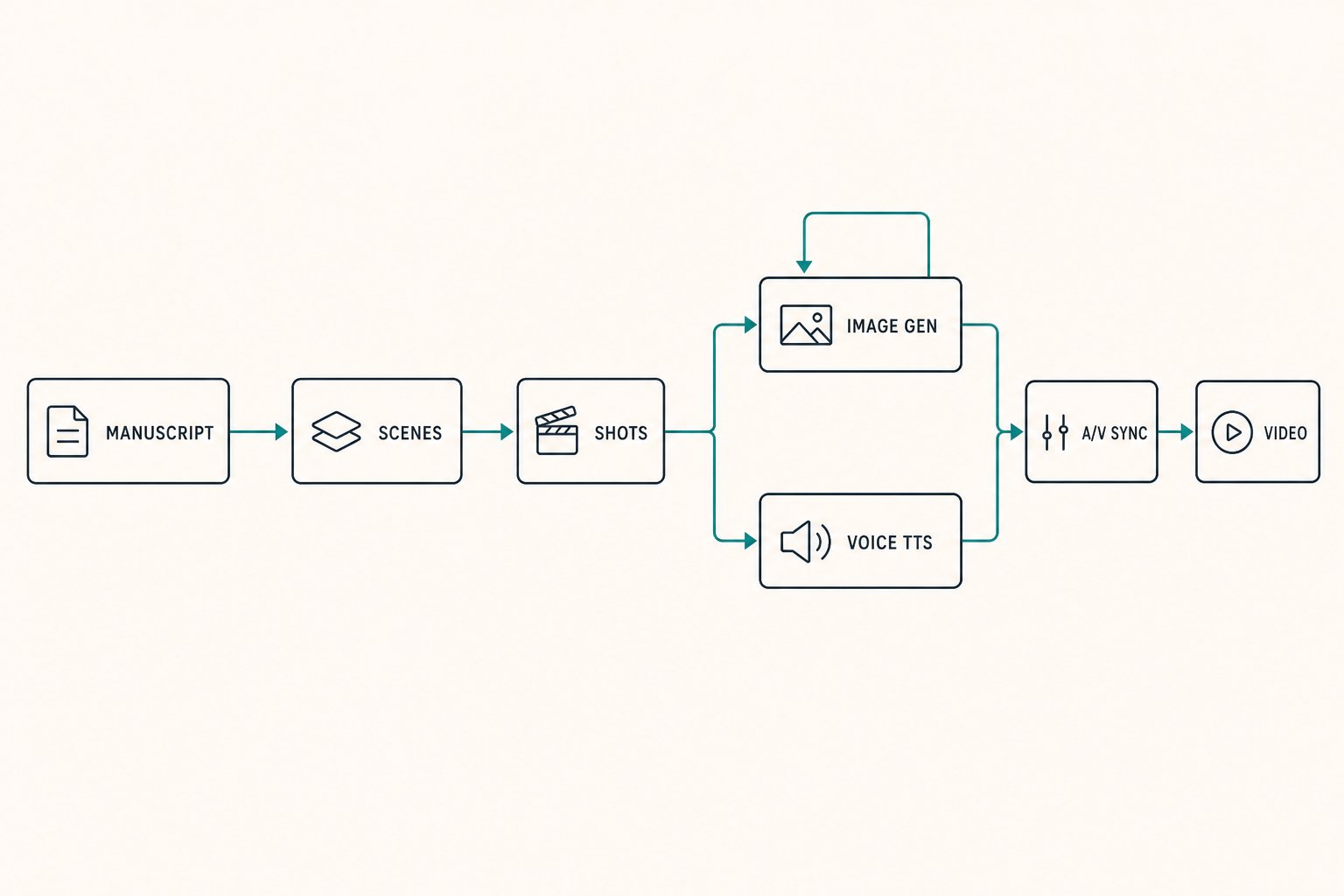
Architecture diagram: manuscript to scenes to shots, fanning into image generation and voice synthesis, then audio-video sync to finished video
05Creative

AI Content Pipeline

Turning a full manuscript into narrated video by hand takes months. An automated pipeline that does it end to end, holding character and voice consistent the whole way through. One example of a shape that fits any content job that used to need a studio.

View →
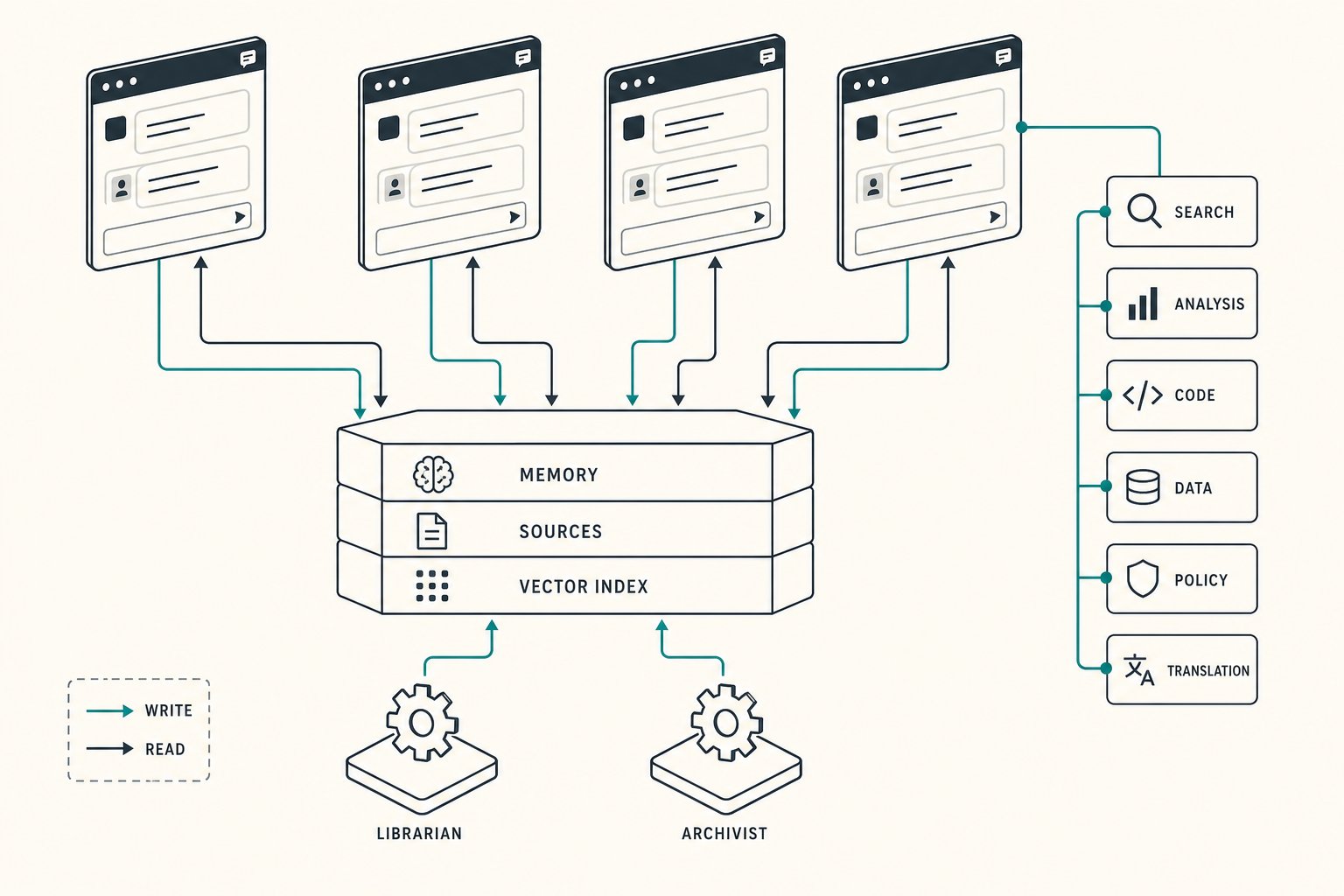
Architecture diagram: a memory store, sources, and a vector index feeding an assistant, with write and read flows and background curation
06Framework

Orbit — AI Assistant Framework

The AI assistant I work in every day, in place of a code editor. It remembers across projects and keeps its own knowledge in order. I tune a version of it for clients, or use it as the base for something more powerful.

View →

There's more where this came from.

I've also built AI systems for medical research, executive productivity, creative tooling, travel, and game design. Most run on the same framework as these. Different problems, the same engineering underneath.


Carlos Serna

25 years building systems.
The last two, with AI in the core.

I'm a software architect based in Amsterdam. My career runs through Booking.com, ING, Credit Suisse, and Ingenico: distributed systems at production scale, with all the failure modes that implies.

I have also built and worked inside startups. Early-stage product work is some of the work I enjoy most. Standing up a first prototype quickly, while there is no system to protect yet, suits how I think.

Two years ago I started wiring AI into the core of systems rather than bolting it on. The last year has been production LLM pipelines and multi-agent architectures. The work that interests me is where engineering discipline meets the probabilistic nature of AI models.

One thing that shapes how I work: I tend to go directly to whoever understands the problem best — the researcher, the operations lead, the founder — and translate from there. You don't need to learn engineering terminology to work with me. I learn yours.

I work project-based. Not embedded, not available for daily standups.

Based Amsterdam, Netherlands

Languages English · Spanish · Dutch

Background Fintech · e-commerce · distributed systems · startups · research infrastructure

What does Carlos Serna do? +

Carlos designs and builds production AI systems — the architecture, the working code, the knowledge transfer. Project-based engagements. He doesn't take embedded roles or open-ended retainers.

Who is this for? +

Founders, technical leaders, principal investigators — anyone with a real AI problem and budget to solve it. Some are starting fresh. Others have a prototype that never made it to production, or a system that works in demos and breaks under load. The criteria are the same: a real problem, a team that will own the result, and no interest in another deck.

What does it cost? +

A one-day Live AI Build Workshop runs €5,000–€8,000. A First Build, the end-to-end build of your first production AI system, runs €20,000–€35,000 over three to five weeks. A Production AI Review of an existing system is €6,000–€10,000 over one week. Ongoing advisory, once we've worked together, is €3,000–€4,500 per month or €200 per hour.

What kind of AI systems does Carlos build? +

LLM pipelines, multi-agent systems, RAG architectures, document intelligence platforms, and network intelligence tools. Twenty-five years of distributed systems. The last two building AI into production — the last year in multi-agent and LLM-native architectures.

Where is Carlos based? +

Amsterdam, Netherlands. He works with clients remotely and in-person across Europe.

Let's find out
if there's a fit.

Describe your problem and roughly where you are. I'll come back within 48 hours.

carlos@carlosserna.com